


Nobody Asks What A Strong Man Is Carrying

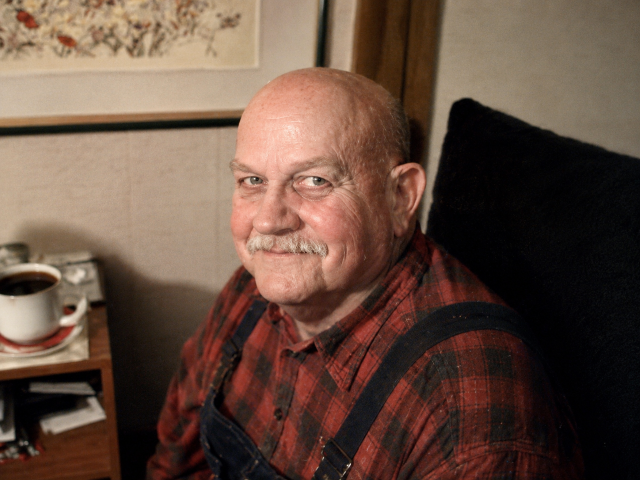
What Was Never Put On His Plate
My Dad was a fireman in Frankfurt, back in Germany. Atemschutz - the unit that goes in when everyone else is coming out. Mask on, tanks on the back, crawling through smoke and heat, saving people who couldn't save themselves.
Between calls, he and his colleagues cooked. Always a big pot of something rich and filling that could sit on the stove for an entire shift and be reheated whenever there was a moment to eat. “Haschee mit Nudeln” was a favourite - dark, gravy-rich meat sauce with mushrooms, served over fusilli with parmesan or other cheese melting in. Firehouse food. The kind that feeds a man properly, that says you matter enough to be fed.
He loved it. My mother hated it, so it barely ever appeared in our kitchen, no matter how much we both enquired for it. She cooked what she wanted to cook. Full stop.
He Was In There All Along
When I finally had my own flat, I made it for him several times. Invited him over for lunch. He sat at my table, ate, laughed, told jokes, leaned back in his chair like a man who had somewhere to be. I will always remember his full belly laugh - deep, rich, just like the sauce. That was the real him. I knew it from the time I was small. I could always see him underneath the exhaustion and the damage she'd done.
He just didn't get nearly enough space to exist for most of his life.
Nobody Asks What A Strong Man Is Carrying
He came home from shifts carrying things no one should carry alone - the fires, the losses, sometimes colleagues who didn't make it out. He had nowhere to put any of it. The one person who should have been there wasn't. Instead, there was dismissal. Emasculation. Debt. A house full of noise that had nothing to do with him and everything to do with her needs.
So he made himself smaller. Quieter. He stopped camping, stopped riding motorcycles, stopped playing his music loud enough to hear. He worked himself to the bone and got loneliness and contempt in return. By the time I was begging him at twelve to leave - begging, because I could already see what was happening to him - he told me he was too old to start over.
He was 47.
This Is The Hunger Nobody Talks About
That's what long-term hunger does. Not the physical kind - that one announces itself. The other kind is quieter. It hollows a man out gradually, and because he's still standing, still functioning, still doing everything that's expected of him, nobody notices. Including him.
I work with men who know that feeling, even if they've never named it. Men who have spent decades being capable and reliable and strong, who have provided and protected and shown up - and have somewhere along the way lost the thread back to themselves. They're self-aware enough to know something is missing. They're just not sure what.
It Doesn't Have To End Like His Story Did
My Dad never got the chance to find out. He had about six months after my mother died where I saw him come back - really come back. Then the conditioning pulled him under again.
That's why I do this work. And that's why I'm not interested in men who need convincing that something is wrong. I work with men who already know, and are ready to do something about it.
If you recognise yourself in any of this - not in the drama, but in the quiet of it - my door is always open.
